The Role of Physical AI in Brand Experience




A monthly look at the work we’ve launched, the ideas we’re shaping, and where immersive is headed next.
01 / Where Intelligence Meets Experience
This year’s CES confirmed what we’ve been building toward: the era of Physical AI is here. AI is moving beyond software and into physical brand experiences. Leveraging NVIDIA's compute power and our proprietary platforms like Invisionary and Metalitix™, we are now using intelligence to transform brand engagement with people across live environments, retail and public spaces.
From displays that sense movement to mirrors that personalise content, Physical AI is creating experiences that feel alive, responsive (and in an ironic way, more human).
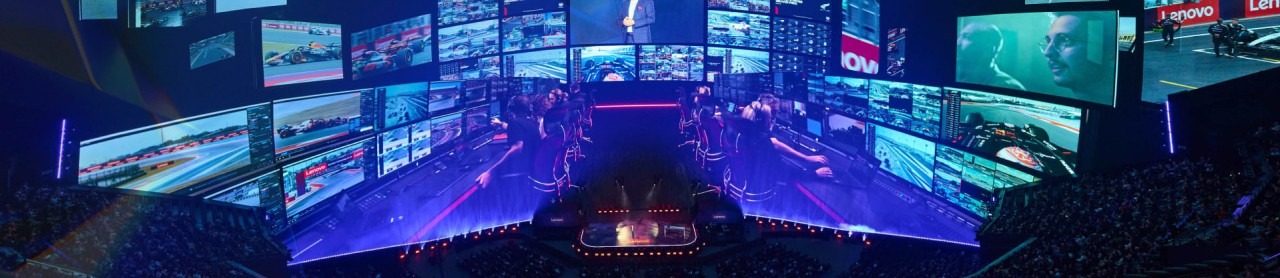
When people hear “Physical AI,” they often picture robotics or autonomous machines. But in the world of brand experience, it means something much broader. Physical AI is intelligence built into environments, into displays, mirrors and spaces that can sense and respond to people in real time.
For us as a studio, it’s not about replacing human interaction, it’s about enhancing it, making every moment of connection more responsive, intuitive and memorable.
We see Physical AI as the next evolution in immersive brand experience. It’s what happens when intelligent software stops being background tools and start becoming part of your real-world environment, reacting to human presence, motion and indeed emotion, in real-time.
02 / From Behind the Screen to the Real World
AI has long been part of our digital lives, helping to recommend, predict or automate. What’s changing now is where it lives. Physical AI moves intelligence into the world around us, where technology can respond to people directly and instantly.
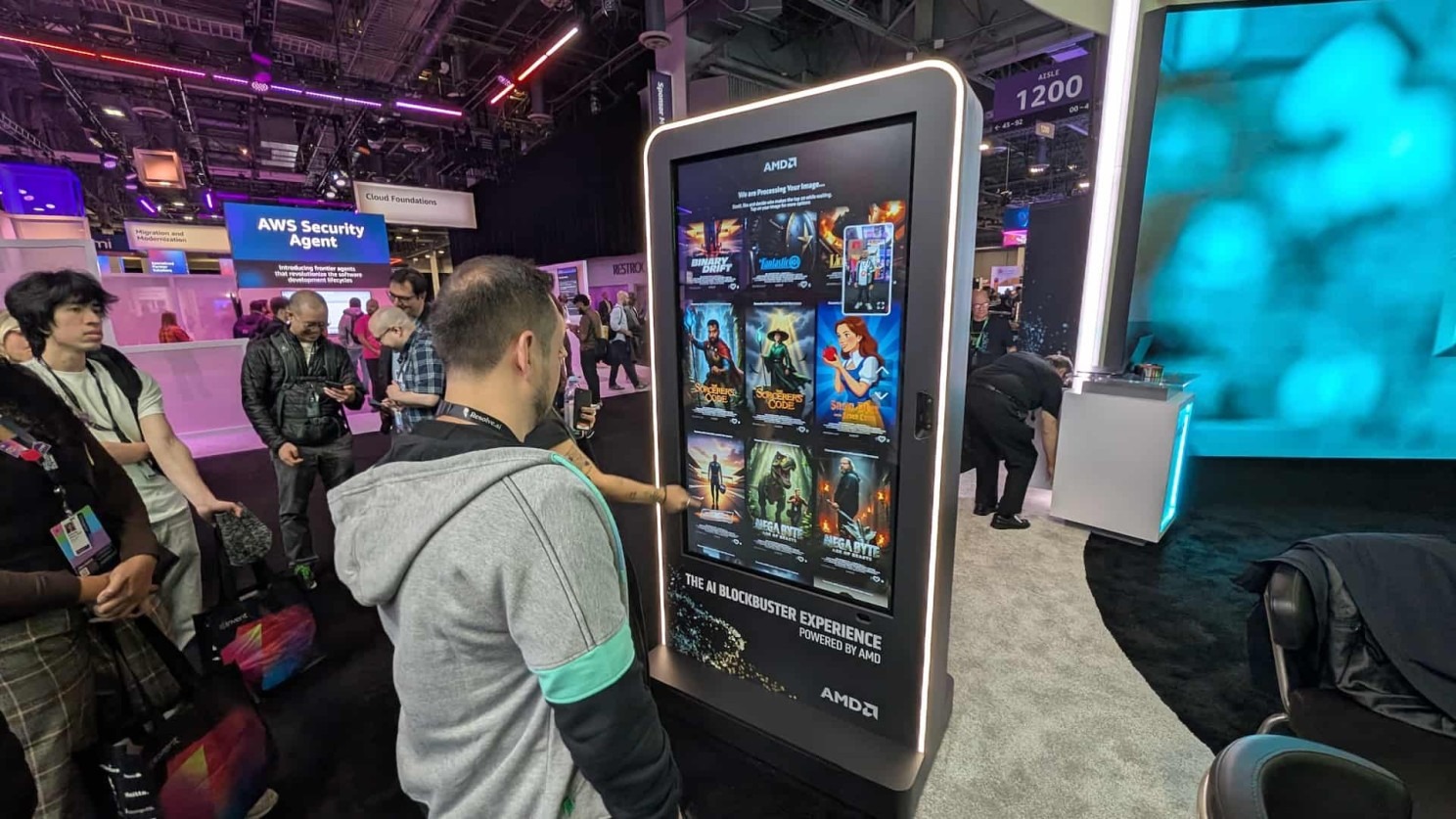
For marketers, it means creating brand moments that don’t just display content, they listen, react and evolve with every interaction.
Ok, so let’s move away from the abstract and get literal.
For brands, that means:
- Experiences that detect and respond to presence, gesture and gaze
- Real-time personalisation driven by environmental context
- Storytelling that evolves dynamically based on audience behaviour
- Integrated analytics through platforms like Metalitix™, offering a live view of spatial engagement and user interaction (real-world analytics)
The result is more responsive, more human and ultimately more memorable brand experiences.
03 / Where We See It Working
Digital Out-of-Home (DOOH)
Physical AI is already transforming digital out-of-home. Through Invisionary and its flagship LUX-75™ display, we’re seeing how powerful GPU compute combined with touch and camera interactivity allows screens to sense, interpret and respond in real time.
Whether used for AI-powered clothing try-ons, reactive ad content or interactive storytelling, these intelligent displays make brand moments feel personal and immediate.
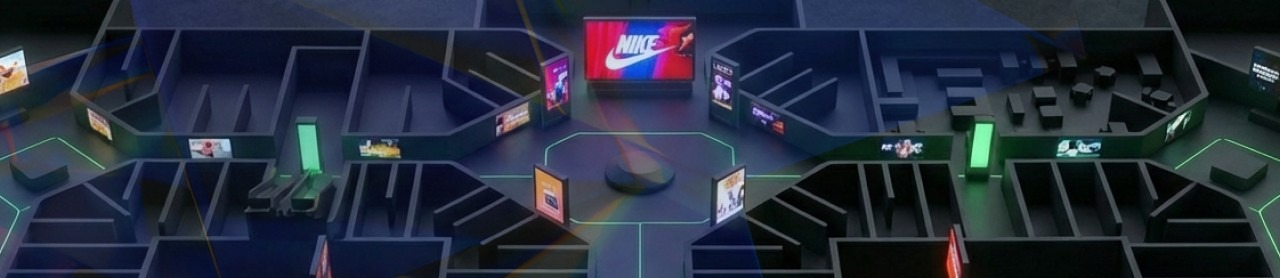
AI-Enhanced Retail and Beauty Experiences
In retail, Physical AI is helping to elevate in-store storytelling. AI mirrors (which is just an interactive screen, fitted with one or more cameras) can understand facial features, recommend products and provide guided tutorials through perception models that make beauty discovery more intuitive and confidence-building. The result is greater emotional connection between brand and consumer, and subsequently stronger conversion.

Fan Engagement and Live Environments
Physical AI also opens new possibilities for sports and live entertainment. By combining interactive displays, on-device AI, immersive visuals and real-time analytics, stadiums and event spaces can deliver responsive moments that extend the excitement of the game.

Imagine fans engaging with an intelligent display that recognises movement, allows virtual kit try-ons, captures shareable moments and drives merchandise discovery. It’s an entirely new layer of engagement that connects emotion, technology and commerce in one seamless experience.
04 / Why It Matters for Brands
Physical AI changes what interaction means. Instead of waiting for a deliberate action, experiences can read what’s happening around them and adapt in the moment, responding intelligently to people, behaviour and context.
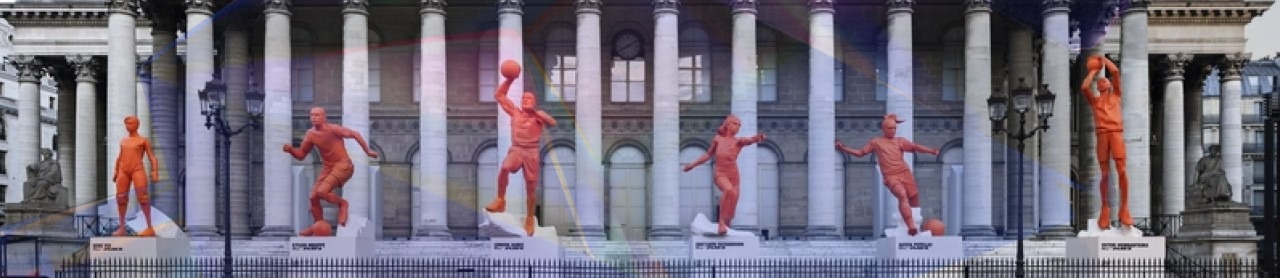
For brand and innovation leaders, that means:
- Deeper personalisation that feels intuitive and human
- Smarter spatial data that informs both creative and retail strategy
- Longer lifespan of experiences that evolve through adaptive intelligence
Physical AI turns every environment into a living brand touchpoint, one that can sense, learn and adapt to the people within it.
05 / Closing Thoughts
As CES 2026 showed, AI is no longer something people only interact with through apps or interfaces. It’s becoming part of physical environments, shaping how people encounter brands in everyday life. This transition from digital intelligence to physical intelligence is redefining real-world brand experience.

At Aircards Studio, we’re already building for that future, integrating Physical AI into interactive displays, retail environments and live activations that think, react and remember.